Understanding Air Conditioner Repair Cost: Factors, Problems, DIY vs. Professional Repair, and Cost-Effective Strategies
When it comes to air conditioner repair cost, there are various factors to consider that can impact the overall expenses. From common problems to the choice between DIY and professional repair, this guide explores everything you need to know to make informed decisions about maintaining your cooling system.
Factors influencing air conditioner repair cost

When it comes to the cost of repairing an air conditioner, several factors can influence the final price. Understanding these factors can help you anticipate and budget for any repairs that may be needed.
Age of the air conditioner
The age of the air conditioner unit plays a significant role in determining repair costs. Older units may require more expensive parts or specialized repairs, which can drive up the overall cost of the repair.
Type of repair needed
The type of repair needed also impacts the cost. Minor repairs such as replacing a capacitor or cleaning the coils will generally be less expensive compared to major repairs like replacing the compressor or fixing a refrigerant leak.
Brand and model of the air conditioner
Different brands and models of air conditioners may have varying costs for replacement parts and labor. Some brands may be more expensive to repair due to the availability of parts or specialized knowledge required for repairs.
Severity of the issue
The severity of the issue will also affect the repair cost. A simple fix like replacing a filter will be cheaper than a complex repair like fixing a faulty compressor. The more extensive the repair, the higher the cost is likely to be.
Regular maintenance
Regular maintenance can help prevent major repairs and reduce overall repair costs. Neglecting maintenance can lead to more significant issues that are costly to fix. Investing in routine maintenance can save you money in the long run.
Common air conditioner problems and repair costs
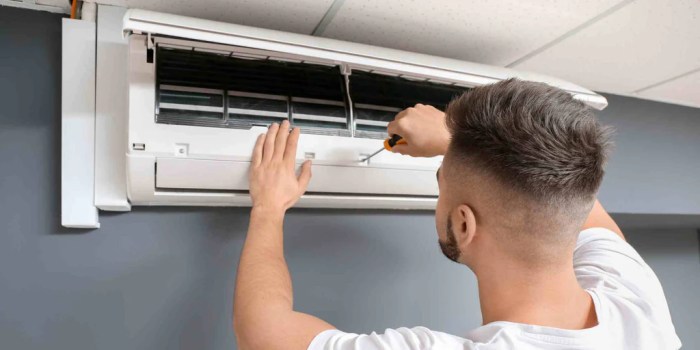
When it comes to air conditioner issues, there are several common problems that can arise, each with its own repair costs. Understanding these common problems and their associated costs can help you better prepare for potential repairs.
Refrigerant Leaks
Refrigerant leaks are a common problem in air conditioners and can lead to inefficient cooling. Repairing a refrigerant leak typically involves locating the source of the leak, fixing it, and recharging the system. The cost of repairing a refrigerant leak can range from $200 to $1,500, depending on the severity of the leak and the amount of refrigerant needed.
Compressor Failure
Compressor failure is another common issue that can cause your air conditioner to malfunction. Replacing a compressor is a costly repair, with prices ranging from $1,000 to $2,500. The high cost is due to the complexity of the repair and the need for specialized equipment.
Fan Motor Issues
If your air conditioner's fan motor stops working, it can impact the airflow and cooling efficiency of the unit. Repairing or replacing a fan motor can cost anywhere from $200 to $600, depending on the type of motor and the extent of the damage.
Thermostat Problems
Issues with the thermostat can cause temperature inconsistencies and make your air conditioner run inefficiently. Repairing or replacing a faulty thermostat can cost between $100 and $300, depending on the type and complexity of the thermostat.
DIY vs. Professional Repair

When it comes to air conditioner repairs, deciding between a do-it-yourself (DIY) approach and hiring a professional can have significant cost implications. Let's explore the factors to consider in making this decision.
Cost Comparison
Attempting a DIY repair on your air conditioner can initially seem cost-effective as you avoid labor charges. However, it's essential to consider the complexity of the repair and your skill level. Simple tasks like cleaning or replacing filters can be DIY-friendly and save you money
- DIY Scenario: If you have experience with electrical work and access to the necessary tools, you may be able to handle minor repairs like fixing a clogged drain line or replacing a capacitor. These tasks typically cost less when done yourself.
- Hiring a Professional: For complex issues like compressor or refrigerant leaks, it's best to hire a professional. Attempting these repairs without the right expertise can lead to costly mistakes and potential safety hazards. While professional repairs come with labor costs, they ensure the job is done correctly.
Tip: Before deciding, weigh the cost of parts, tools, and potential mistakes against the price of professional services to determine the most cost-effective option.
Strategies to reduce air conditioner repair costs
![Cost to Repair an Air Conditioner - Contractor's Guide [2024]](https://i0.wp.com/cdn.prod.website-files.com/6650cddf762ba9b692753dc0/6707f7f2343d1082d96e8681_65cde9e35b3c133aa9c27416_cost-to-repair-an-air-conditioner.jpeg?w=700 "Cost to Repair an Air Conditioner - Contractor's Guide [2024]")
Regular maintenance and care can significantly reduce the need for costly air conditioner repairs. By following preventive measures and implementing proper practices, homeowners can prolong the lifespan of their units and minimize long-term repair expenses.
Preventive Maintenance Practices
- Regularly clean or replace air filters to ensure proper airflow and efficiency.
- Keep the outdoor unit free from debris and vegetation to prevent airflow blockages.
- Check and maintain proper refrigerant levels to avoid strain on the system.
- Schedule annual professional inspections to detect and address potential issues early on.
Prolonging Air Conditioner Lifespan
- Ensure proper installation and sizing of the unit to prevent overworking.
- Maintain a consistent temperature setting to reduce strain on the system.
- Avoid frequent on/off cycles by setting the thermostat appropriately.
- Consider using a programmable thermostat for efficient cooling control.
Role of Regular Servicing
Regular servicing by HVAC professionals can help identify and address minor problems before they escalate into major repairs. By investing in routine maintenance, homeowners can ensure optimal performance, efficiency, and longevity of their air conditioners.
Cost-Effectiveness of Maintenance vs. Repairs
Regular maintenance may involve upfront costs, but it can ultimately save homeowners money by preventing expensive repairs down the line. By comparing the cost of routine servicing to the expenses of frequent repairs, it becomes clear that investing in maintenance is a cost-effective strategy for preserving the functionality of air conditioning systems.
Last Word

In conclusion, being aware of the factors influencing air conditioner repair costs, understanding common problems and repair expenses, and knowing when to opt for DIY solutions or professional help can all contribute to more efficient and cost-effective maintenance of your air conditioning unit.
By implementing the strategies discussed, you can potentially reduce the need for frequent and costly repairs, ensuring your system operates smoothly for years to come.
Expert Answers
What are some factors that influence air conditioner repair cost?
Factors such as the type of repair needed, the age of the unit, and the availability of parts can all impact repair costs.
What are some common air conditioner problems and their repair costs?
Common issues like refrigerant leaks, compressor failures, or sensor problems can have repair costs ranging from $150 to $5000, depending on the severity.
Is DIY repair more cost-effective than hiring a professional?
In some cases, simple tasks like filter replacement can be done DIY to save money, but complex repairs should be left to professionals to avoid costly mistakes.
How can homeowners reduce air conditioner repair costs?
Regular maintenance, such as cleaning filters and coils, scheduling professional inspections, and ensuring proper ventilation, can help prevent costly repairs in the long run.